

Guide · LED Therapy
Is LED Therapy Worth It? The Complete Guide (2025)
An evidence-informed look at red, blue and near-infrared light — what actually works, what to expect, and how to choose a device you'll use for years.

Introduction
LED light therapy has moved from dermatology clinics and celebrity facials into everyday bathroom cabinets. Handheld wands, full-face masks and even flexible neck panels now promise to smooth fine lines, calm blemishes and boost radiance from home. But with prices ranging from under one hundred dollars to well over a thousand, a reasonable question keeps coming up: is LED therapy actually worth it in 2025?
The short answer is that LED therapy is one of the most studied non-invasive skincare technologies available today, with a real — but modest and gradual — effect on skin quality when used consistently. This guide walks through the science, realistic benefits, common mistakes and how to pick a device that will actually get used.
What Is LED Light Therapy?
LED (light-emitting diode) therapy, sometimes called photobiomodulation, uses specific wavelengths of visible and near-infrared light to interact with skin cells. Unlike lasers, LEDs do not cut, ablate or heat the skin. They deliver low-level light energy that is absorbed by chromophores inside cells — most notably by mitochondria, the energy-producing organelles.
The technology was originally investigated by NASA in the 1990s for plant growth and wound healing on space missions. Since then, it has become a common in-clinic treatment for concerns ranging from acne to post-procedure recovery, and the last few years have seen an explosion of at-home devices built around the same underlying wavelengths.
The Science Behind the Colors
Not all LED light is created equal. The color of the light corresponds to a specific wavelength (measured in nanometers, nm), and different wavelengths reach different depths in the skin and trigger different biological responses.
Red Light (approx. 620–700 nm)
Red light is the most studied wavelength for anti-aging. It penetrates into the upper dermis, where it is thought to stimulate fibroblasts — the cells responsible for producing collagen and elastin. Published clinical studies have reported improvements in skin roughness, fine lines and elasticity after several weeks of consistent red-light treatment.
Blue Light (approx. 400–470 nm)
Blue light stays closer to the surface of the skin and is primarily used for acne. It targets Cutibacterium acnes (formerly Propionibacterium acnes), the bacteria involved in inflammatory breakouts. Clinical trials have shown reductions in inflammatory acne lesions when blue light is used consistently, often in combination with red light.
Near-Infrared Light (approx. 800–900 nm)
Near-infrared (NIR) light is invisible to the eye and penetrates the deepest of the three — reaching into the deeper dermis and, in some cases, subcutaneous tissue. NIR is associated with wound healing, reduced inflammation and support for cellular repair, and it is often combined with red light in modern LED masks to broaden the treatment profile.
Editor's tip
When comparing devices, look for the exact wavelengths listed in nanometers — not just "red" or "infrared." A device that publishes its wavelengths is signalling confidence in its engineering.
Red vs Blue vs Near-Infrared at a Glance
| Wavelength | Primary Use | Depth | Sensation |
|---|---|---|---|
| Red · 620–700 nm | Fine lines, radiance, firmness | Upper dermis | Warm, gentle |
| Blue · 400–470 nm | Blemishes, oily skin | Surface / epidermis | Cool, bright |
| Near-infrared · 800–900 nm | Recovery, deep support | Deeper dermis | Invisible, subtle warmth |
Benefits Supported by Research
Published clinical research on LED therapy is broad but consistent on a handful of outcomes. Realistic, evidence-informed benefits include:
- Improved skin texture and tone — smoother surface feel and a more even appearance after multiple weeks of consistent red-light use.
- Softening of fine lines — modest visible reduction in the depth of superficial lines, particularly around the eyes and forehead.
- Support for collagen production — studies document upregulation of collagen and elastin activity in fibroblasts exposed to red and near-infrared wavelengths.
- Reduction of inflammatory acne lesions — blue light, alone or combined with red, has been shown to lower active breakout counts over several weeks.
- Calmer, less reactive skin — many users report reduced redness and a soothing effect, especially with combined red plus near-infrared treatments.
- Support for post-procedure recovery — LED is frequently used in clinics after treatments such as microneedling or peels to help calm the skin.
What LED therapy will not do is replace injectables, resurfacing lasers or surgical procedures. It is a supportive, long-horizon technology — not a one-session transformation.
What Results to Realistically Expect
LED therapy is often oversold on social media as a rapid fix. The reality is closer to a slow, cumulative shift — much like a well-formulated retinol.
- Weeks 1–2: Skin often feels calmer and looks slightly more even, with less transient redness after activity.
- Weeks 4–8: Users typically notice smoother texture, a softer look to fine lines and, for those using blue light, a reduction in active blemishes.
- Weeks 8–12+: Improvements in firmness and overall radiance become more visible. Consistency is the key variable; results plateau quickly if treatments stop.
Think of LED therapy as skincare "compound interest." Two or three short sessions per week for three months will nearly always out-perform a single expensive device used sporadically.
Who Should Use LED Therapy?
LED therapy is well suited for most healthy adults who want a gentle, non-invasive addition to an anti-aging or clarifying routine. It tends to be a particularly good fit for:
- Anyone seeing early signs of aging — fine lines, dullness or reduced firmness.
- People with mild-to-moderate inflammatory acne looking for a non-drug option to complement topicals.
- Sensitive-skin users who cannot tolerate strong exfoliating actives every day.
- Those already using retinol or vitamin C who want to layer a device that supports skin recovery.
- Users who value a calming, screen-free "ritual" moment in their routine.
Who Should Avoid It?
LED therapy is considered low-risk, but it is not universally appropriate. Skip it or consult a qualified professional first if any of the following apply:
- You are pregnant or breastfeeding and unsure about device use — check with your clinician.
- You have a history of light-triggered conditions such as lupus or certain photosensitive disorders.
- You are taking medications that increase photosensitivity (some antibiotics, retinoids or acne drugs) without medical guidance.
- You have active skin cancer or undiagnosed lesions in the treatment area.
- You have epilepsy triggered by flashing light — although most LED masks emit steady, non-strobing light, always confirm with the manufacturer.
When in doubt, a short conversation with a board-certified dermatologist is the safest way to decide.
How Often Should You Use LED Devices?
Frequency depends on the device, wavelength intensity and your skin's response. As a general framework based on manufacturer guidance and published studies:
- At-home LED masks: 3–5 sessions per week, 10–20 minutes each.
- Handheld wands: Daily short sessions on targeted areas, typically 3–5 minutes per zone.
- Combined devices (light + microcurrent or heat): Follow the manufacturer's protocol — often 2–3 minutes per zone, several times a week.
More is not necessarily better. Once the skin has absorbed a therapeutic dose of light, additional time provides diminishing returns.
Expert tip
Anchor sessions to an existing habit — for example, right after cleansing in the evening. Adherence, not intensity, is the single biggest predictor of visible results with LED therapy.
Common Mistakes to Avoid
- Skipping eye protection when required. Many devices include goggles or eye shields for good reason. Follow the manufacturer's instructions, especially with high-power NIR.
- Layering thick, occlusive products underneath. Heavy balms and mineral SPF can scatter light. Use LED on clean, bare skin, then apply serums and moisturizers afterward.
- Expecting instant results. LED therapy is cumulative. Give any protocol at least 8–12 weeks before judging.
- Using low-quality "gimmick" devices. A handful of weak LEDs in a plastic wand is unlikely to deliver a meaningful dose. Prioritize published wavelengths, coverage and clinical testing.
- Ignoring the rest of the routine. LED works best alongside sunscreen, a well-formulated moisturizer and a proven active such as retinol or vitamin C.
How to Choose an LED Device
The at-home LED market is crowded. Rather than chasing the highest number of LEDs or the flashiest marketing, evaluate devices on criteria that actually drive results.
- Wavelengths in nanometers: Look for red in the 630–660 nm range and near-infrared in the 830–850 nm range for anti-aging. Blue around 415 nm is standard for acne.
- Coverage: Full-face masks distribute light more evenly than handheld wands and require less user effort.
- Fit and comfort: A mask you actually wear beats a more powerful one gathering dust. Flexible silicone designs typically win over rigid plastic.
- Safety certifications: Look for medical-grade certifications, FDA clearance for cosmetic use where applicable, and clear safety documentation.
- Warranty and support: A device you'll use for years deserves a manufacturer that stands behind it with a real warranty and responsive support.
- Independent reviews: Cross-reference marketing claims with independent reviews and, where possible, published clinical data.
Safety Considerations
Certified LED devices designed for cosmetic use are considered low-risk, but a few common-sense guidelines apply:
- Follow the manufacturer's recommended session length and frequency — do not "double up" to speed results.
- Keep the eyes closed and use provided shielding, particularly with masks that include near-infrared LEDs.
- Avoid using LED immediately after aggressive treatments (deep peels, ablative lasers) unless a clinician approves.
- Stop and consult a dermatologist if you experience persistent redness, blistering or unusual pigment changes.
- Store devices as directed and inspect cables and panels regularly for damage.
Recommended LED Devices
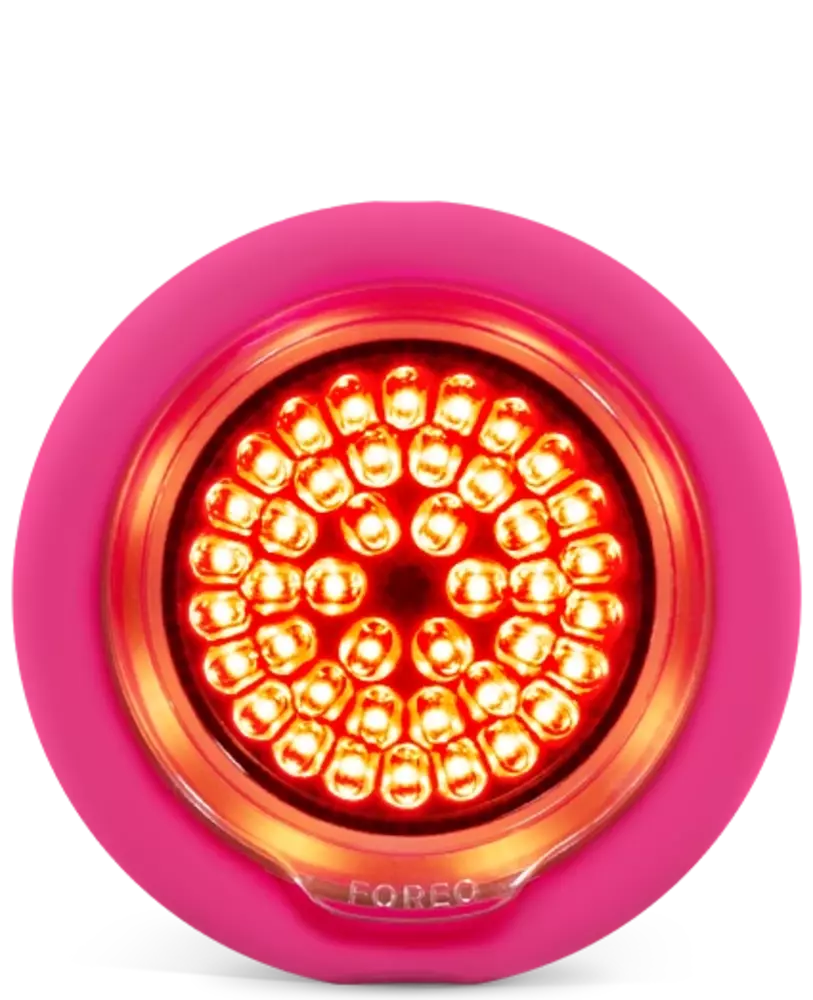
Among the current FOREO lineup, two devices stand out for at-home LED therapy. Both use documented wavelengths, are engineered for consistent use and pair comfortably with the rest of a modern skincare routine.
Full-face LED mask
FOREO FAQ™ 202 Anti-Aging LED Mask
Professional anti-aging LED treatment for home use.
Final Recommendations
So — is LED therapy worth it? For most people who are patient, consistent and realistic about outcomes, yes. It is one of the gentlest ways to nudge the skin toward better texture, firmer appearance and calmer behavior over time.
The devices most likely to deliver on their promise are the ones you'll comfortably use several times a week for months, from a reputable brand that publishes its wavelengths and clinical reasoning. Everything else — the panel size, the extra colors, the app — is secondary.
Treat LED therapy the way you'd treat any long-term investment in your skin: as one considered element of a broader, well-designed routine. Combined with a good cleanser, sunscreen and a proven active such as retinol or vitamin C, it earns its place in a modern anti-aging toolkit.
Ready to try LED therapy?
Explore FOREO's LED lineup
From the full-face FAQ™ 202 mask to targeted devices for the eye area and jawline, FOREO's LED tools are engineered for consistent, comfortable at-home use.
Frequently asked questions
Does LED therapy really work?+
Yes — for the outcomes it's designed to support. Published research shows red and near-infrared light can improve skin texture, softness of fine lines and firmness over several weeks of consistent use, and blue light can help reduce inflammatory acne. It is not a replacement for injectables or resurfacing procedures.
Is LED therapy safe for daily use?+
Most at-home LED masks are designed for 3–5 sessions per week rather than daily. Handheld wands used on targeted areas can often be used daily for shorter periods. Always follow the manufacturer's protocol — more time doesn't equal better results.
How long until I see results?+
Most users notice calmer, more even-looking skin within 2–4 weeks. Softening of fine lines and improvements in firmness typically become visible between weeks 8 and 12 with consistent use.
Can I use LED therapy with retinol or vitamin C?+
Yes, and they complement each other well. Use LED on clean, bare skin, then apply serums and moisturizers afterward. Retinol and LED are frequently paired in anti-aging routines because they support skin renewal through different mechanisms.
Are cheap LED masks worth buying?+
Not usually. Extremely low-cost devices often lack sufficient LED count, coverage or verified wavelengths to deliver a therapeutic dose. Prioritize brands that publish their wavelengths, safety certifications and clinical reasoning.
Can LED therapy replace my dermatologist?+
No. LED therapy is a supportive tool, not a substitute for medical care. Anyone with persistent acne, unusual pigmentation, suspicious lesions or a diagnosed skin condition should consult a board-certified dermatologist.
Written by
The PoshBrand Editors
Independent editorial team covering premium skincare, anti-aging and beauty technology. We reference published dermatology research and manufacturer documentation, and we disclose affiliate relationships on every product we mention.
Related reading
The Dispatch
New reviews, in your inbox.
Once a week: the most rigorous anti-aging research, the products worth your money, and the ones to skip.